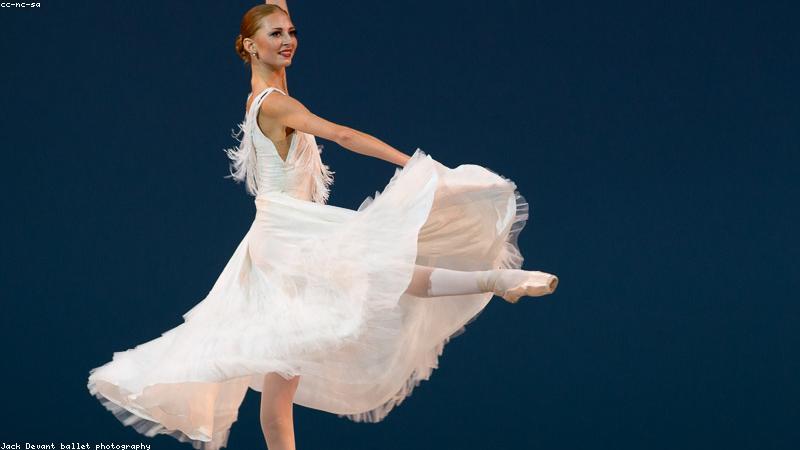
With a carefully chosen school, the right equipment and a supportive attitude at home, ballet adds artistic and physical richness to your child's life.
Choosing a School
When choosing a ballet school, look at: the teacher's conservatory or professional ballet background, the quality of the floor (a sprung floor is preferred; hard concrete increases injuries), the barre equipment, the use of mirrors and the class size.
During the first lesson or a trial class, pay attention to the teacher's language and attitude toward children. Stay away from teachers who criticize children's bodies or turn perfectionism into a tool for pressure.
Moving Up to Pointe Shoes
Pointe shoes (stiff shoes for dancing on the tips of the toes) are not something to rush into. Using pointe shoes without the teacher's approval can lead to serious foot and knee injuries. The standard age for the switch is 10–12; pointe is not recommended before bone development is complete.
Clothing
The standard ballet outfit is a pink leotard, a ballet skirt, pink tights and leather or canvas ballet slippers. The outfit is usually standardized by the school. A first set of clothing costs ₺400–800.
Costs
Monthly school fee: ₺500–2,000; replacing clothing (1–2 times a year): ₺400–800; end-of-year recital costume: ₺300–600; possible exam fees: ₺200–500. Annual total: ₺8,000–28,000.
The End-of-Year Recital
The end-of-year recital is the most important event at most ballet schools. It builds a child's self-confidence and stage presence. Rehearsal periods can be intense, so plan your calendar ahead of time.
Conclusion
Being a ballet parent takes careful organization and a long-term investment mindset. But the moment your child steps onto the stage, all that effort pays off.