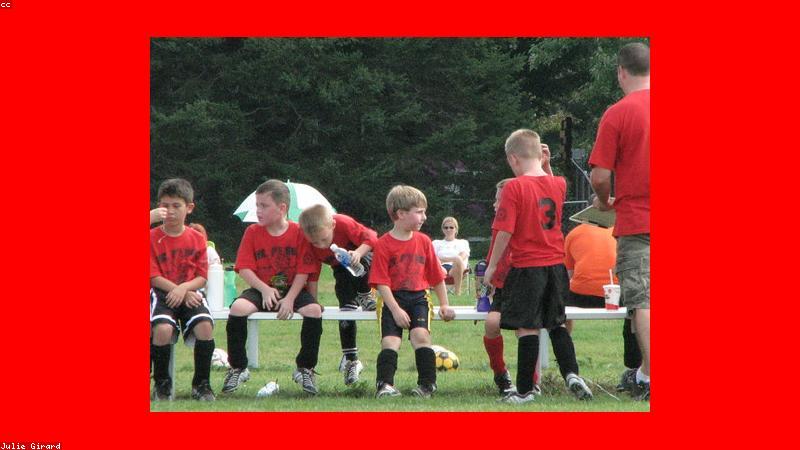
Football is not just a team sport; it is a comprehensive motor-learning environment that supports the development of children's bodies and minds side by side. The changes seen in children who train regularly twice a week are quite striking.
Physical Development: Which Muscles Are Worked?
Football primarily works the leg muscles (quadriceps, hamstrings, calves). But it also engages the upper body through trunk rotation when passing, the hip flexors when shooting, and arm swing when sprinting.
Research shows that children aged 8–12 who play football regularly have balance scores thirty-five percent higher than their sedentary peers of the same age.
Aerobic Capacity
Over the course of a football match, children run 4–7 km on average. Although this distance varies with age and position, it strongly develops the cardiovascular system. Children who play football regularly show markedly higher VO2 max values.
Mental Development: Strategy on the Pitch Is Exercise for the Brain
Football is a sport that demands split-second decisions. Who to pass to, which space to close down, when to sprint: all of these have to be weighed up within seconds. This process actively works the child's prefrontal cortex.
Studies show that children who play team sports like football develop planning and sustained-attention skills faster than other groups.
Social Intelligence and Empathy
Playing in a team requires children to assess situations from other people's perspectives. Playing as a defender and playing as a forward call for entirely different social roles. Switching between these roles strengthens the capacity for empathy.
Self-Regulation
Missing a goal, coming under pressure from the opposing team or losing a match all develop a child's ability to cope with disappointment. In the long run, this emotional resilience pays off in academic and social life too.
Conclusion
Football contributes to child development across a wide spectrum, from physical fitness to mental flexibility and from social intelligence to emotional maturity. It is never too late to introduce your child to such a multidimensional sport.