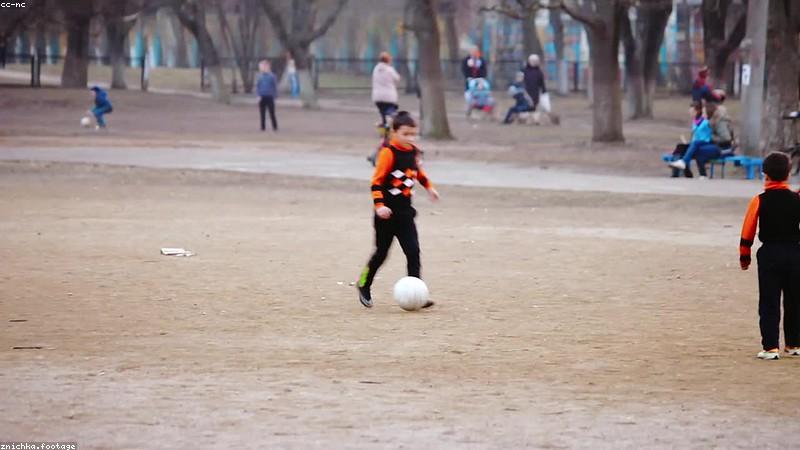
Football is the most widely played team sport in the world and an excellent starting option for children. But as with any sport, laying the right foundations is critical for long-term success.
At What Age Should Children Start?
Children can start football from the age of 4–5. At this age, mini football (a small pitch with small goals) is recommended. The ideal age for rule-based football on a full-size pitch is 7–8. At an early age, the goal is not to teach the rules but to make friends with the ball.
The First Skills to Learn
Fundamental football skills should be developed in this order: first dribbling, then passing and receiving, and then shooting technique. These three skills form the groundwork that allows children to develop complex movements in the years ahead.
Slalom dribbling between cones, passing against a wall and simple shooting drills are essential parts of the first six months.
Choosing the Right Equipment
Choosing football boots that fit your child's feet prevents injuries. A size 3 ball suits ages 4–6, a size 4 ball ages 7–9, and a size 5 ball ages 10 and up. Choose TF (Turf) soles for artificial grass and FG (Firm Ground) soles for natural grass.
Training Frequency
At the beginner stage, two sessions a week are enough. Because children's attention spans are short, drills should be split into 10–15-minute blocks with play-based activities in between.
What to Look for When Choosing a Club
When choosing a club for your child, be sure to ask whether the coach has training in child development, whether training times disrupt your child's sleep routine, and whether fun is a priority in training. If your child still loves football at the end of the first year, you chose the right club.
Conclusion
Football is a unique sport that develops team spirit, coordination, endurance and strategic thinking all in one place. With the right start, your child will grow up healthy and gain a lasting sports culture.